 Land Referencing
  Asset due diligence
  Planning and Environmental
  Land Assembly
  Valuation & Professional Services
  Compulsory Purchase Advice
  Business Case Development
  Funding Models and Value Capture
  Rail Industry Agreements
  Local Government
  Highways & Active Travel
  Renewables
  Healthcare
  Utilities
  Rail & Mass Transit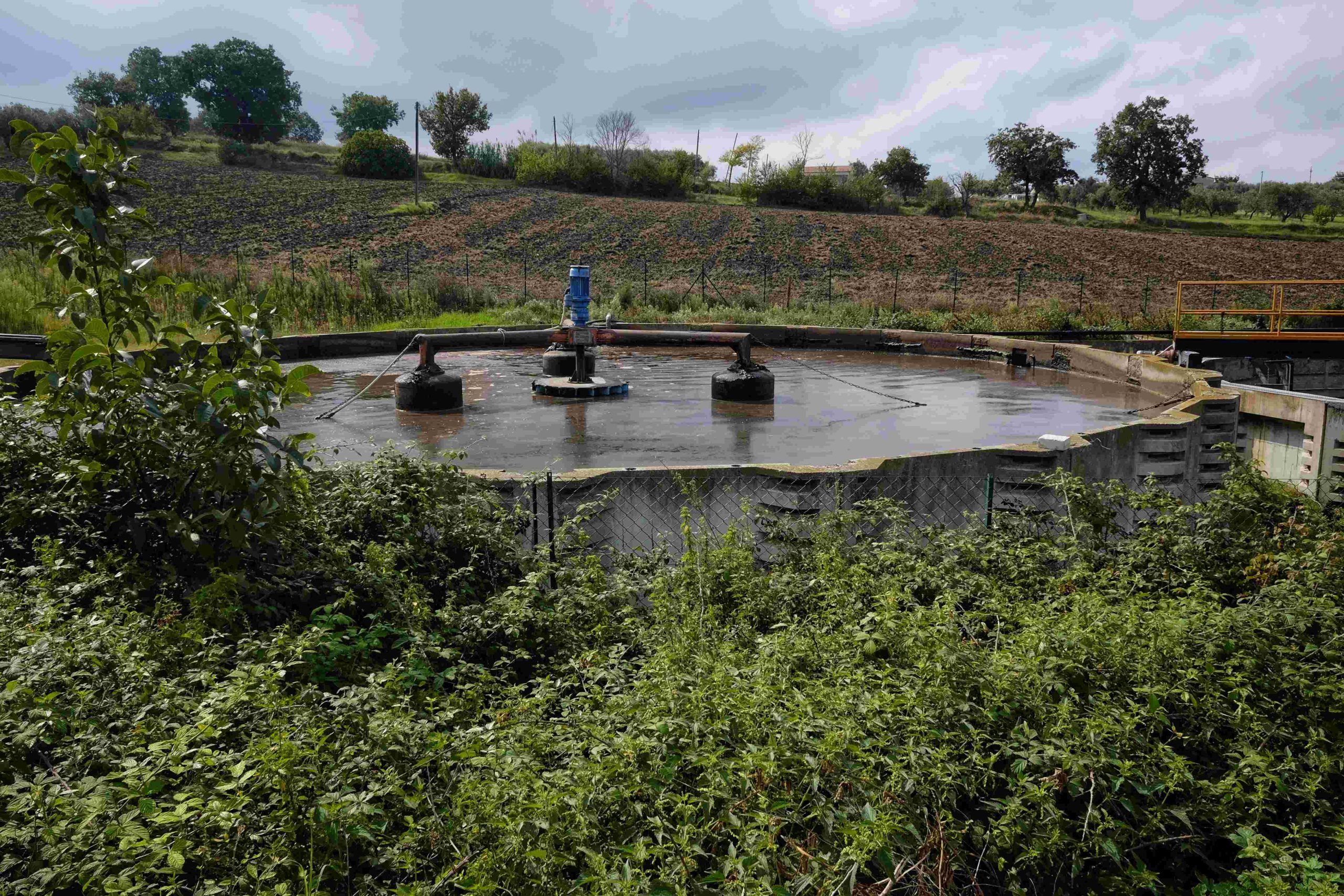
Water and wastewater treatment asset management
SLC Property is supporting an ALMO to develop a long-term strategy for ageing sewage treatment plants and septic tanks serving rural housing. By combining property, legal and asset management expertise, we are identifying opportunities to reduce capital and maintenance liabilities, resolve complex ownership and connection issues and secure mains drainage connections where possible.
SLC Property is supporting an ALMO to develop a long-term strategy for ageing sewage treatment plants and septic tanks serving rural housing. By combining property, legal and asset management expertise, we are identifying opportunities to reduce capital and maintenance liabilities, resolve complex ownership and connection issues and secure mains drainage connections where possible.
The Challenge
Our client is an Arms Length Management Organisation (ALMO), who manage social housing on behalf of a local authority. A large number of these properties are situated in rural areas, considerable distance from, and without a mains foul water service. This has resulted in our client managing and maintaining a large number of aging sewage treatment plants (STPs) and septic tanks (STs) that are utilised by the local authority owned and ALMO managed properties, private homeowners, and third-party connections.
SLC Property was instructed to undertake a portfolio-wide review and develop the most cost-effective long-term solution for each site, considering both the initial capital investment required and the future management and maintenance burden for our client and other users.
What we are doing
We began by reviewing the legal interests in the assets to understand the client’s ownership of both the assets and the land that they are situated on, along with their maintenance and replacement obligations. These obligations and rights have been captured through during conveyances, easements, wayleaves and drainage agreements. As wayleaves and drainage agreements are personal to the residents, following the sale of houses, this has mean that some agreements have fallen away and are now undocumented.
Due to the length of time that these assets have been in operation, a number of unauthorised connections have taken place, which have not been documented, and the beneficiaries of which have not been contributing to maintenance costs. This review has identified these new connections and confirmed where prescriptive rights exist as well as allowing the invoicing for maintenance contributions.
To remove as much of the financial burden away from our client, the residents, and private landowners, we are progressing cases for mains connections with the statutory water undertaker. This has involved collecting the required evidence and making s101a applications under the Water Industry Act 1991.
Why this approach is working
We benefit from a coordinated view, liaising with maintenance contractors, estates teams, residents, and solicitor to establish what rights exist and which sites require a priority listing for replacement. Identifying for our client which treatments have a significant productive life remaining, removes the need for additional works.
By undertaking an initial review of all of the sites, it has allowed us to separate the sites into priority tranches for replacement, and progress in tandem any sites with significant land or legal issues, as well as applications with the statutory water undertaker which can take a significant period of time.
Results and impact of the project
Where properties cannot be connected to the mains networks and will require an initial investment for the replacement of the system, the residents will then experience a significant cost saving as their yearly contributions for the maintenance and operation of the plants will decrease.
Due to the increased operating efficiency, the plants will discharge a more thoroughly treated and cleaner by-product which will have environmental benefits.
By reviewing the sites and sorting them into tranches for replacement, resulting in the removal of aged assets, we are continually reducing the number of aged, or failing assets, removing both financial and environmental risks for the client’s asset register.