 Land Referencing
  Asset due diligence
  Planning and Environmental
  Land Assembly
  Valuation & Professional Services
  Compulsory Purchase Advice
  Business Case Development
  Funding Models and Value Capture
  Rail Industry Agreements
  Local Government
  Highways & Active Travel
  Renewables
  Healthcare
  Utilities
  Rail & Mass Transit
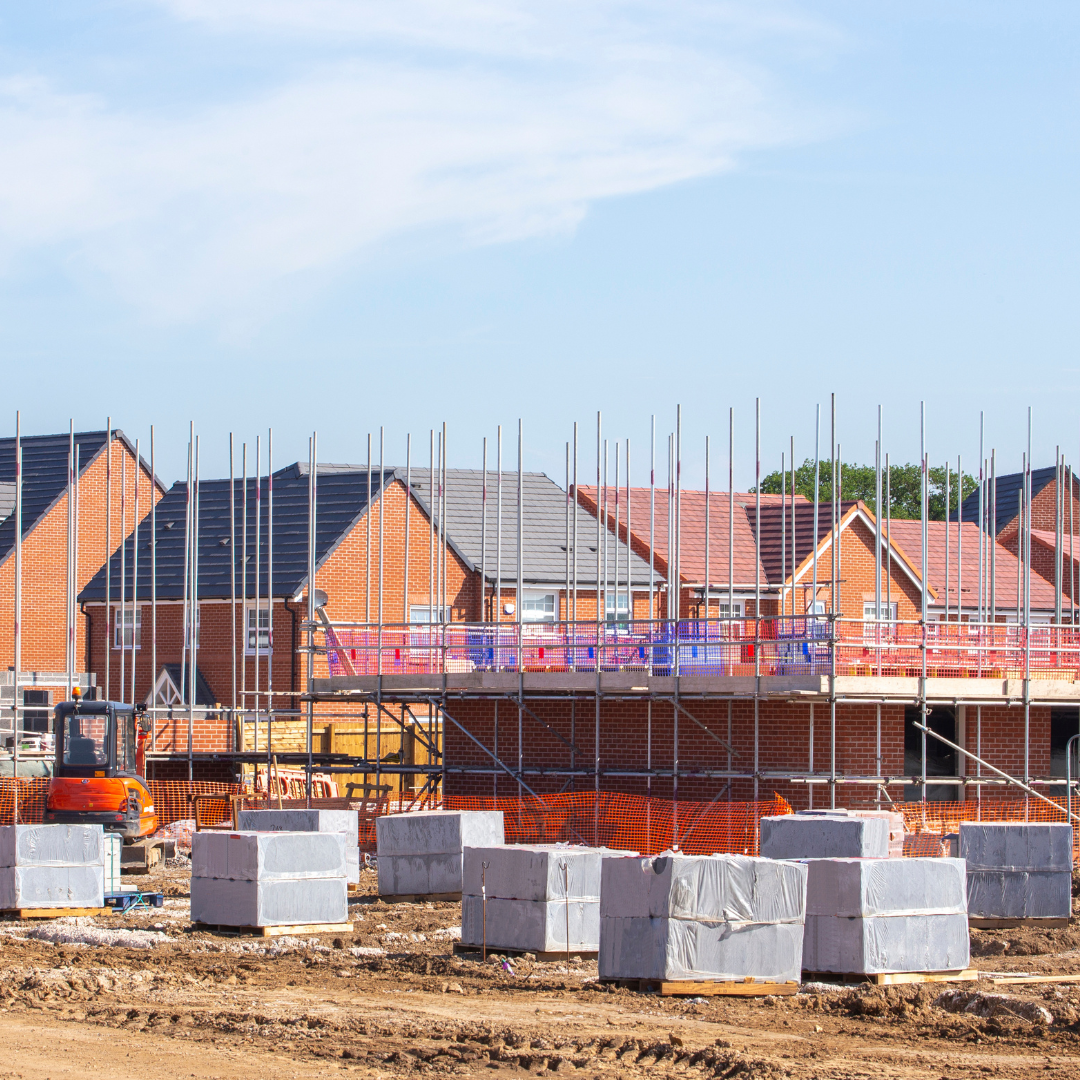
The Government’s latest housing announcement is fantastic news for land promoters and housebuilders, especially those with land around existing or potential railway stations. While many of the infrastructure and planning challenges still apply, the announcement noticeably changes the planning landscape in several ways. Russell Mills, Managing Director of SLC Property, explains more:
- Default “Yes” for Housing near well-connected stations
The announcement makes clear that housing near well-connected train stations will receive a default “yes” from planning if certain criteria are met.
For developers, this means:
- Sites near or adjacent to well-connected stations are now prioritised in policy terms; such proposals are framed as delivering housing, connectivity, and growth.
- Local authorities will be required to notify central government when they intend to reject large housing developments (>150 homes) near stations, giving ministers the power to step in.
- The messaging makes station-adjacent land explicitly part of the government’s 1.5 million homes target.
- Encouragement for new station-adjacent sites, including Green Belt
The policy extends to land even in challenging locations:
- The announcement confirms the rules may apply even in Green Belt locations when adjacent to well-connected rail or tram stations.
- This means developers can now confidently pursue sites around stations, even where historic constraints existed, because the policy narrative explicitly supports them.
- It also increases the strategic value of proposing a new station as part of a wider development. Where developers can integrate a station into their masterplan, they not only strengthen the planning case but also deliver genuinely sustainable development that aligns with government policy.
- Streamlined planning and consultation process
Developers should note that the Government is pressing for faster decision-making and fewer statutory hurdles:
- The policy aims to cut application delays by up to 40% by reducing the number of statutory consultees required.
- Written representations may replace full inquiries for called-in applications.
- The announcement positions development around well-connected stations as a priority, which suggests developers who engage early and collaboratively will benefit from the streamlined approach.
- Implications for developer strategy and timing
Given the announcement, developers may want to adapt their strategy:
- Early engagement is more critical: Sites near well-connected stations now have logical advantage.
- Developers should also consider whether a new station within their proposal could enhance the scheme’s strategic value and directly supports the government’s housebuilding objectives.
- Identify and qualify sites adjacent to well-connected stations: These are elevated in policy, so land-promoters and housebuilders should review existing land banks and potential acquisitions in that light. SLC has already investigated and identified locations that could work, (considering the rail network and operational capacity) for both new and existing railway stations.
- Even with policy favourability, you will still need to manage rail capacity, platform requirements, access, highways, Section 106/CIL negotiations and station categorisation. The announcement removes some planning risk but does not remove all technical and delivery risk.
- Positioning for long-term opportunity
As a result of the announcement:
- Station-adjacent land becomes a premium opportunity. Developers who are well-prepared will be best placed to capitalise.
- The requirement for local authorities to involve central government when rejecting applications creates additional leverage for developers.
- The shift in policy underlines that rail connectivity is a strategic asset, not just a constraint. Developers who integrate rail-adjacency into their value proposition will be ahead of the curve.
The Government’s announcement significantly raises the strategic value of land near or around well-connected train stations by giving it default planning favourability and accelerating decision-making for nearby housing. For developers, this is a signal to shift focus: act early, engage the rail dimension and build your planning strategy around station (or new station) adjacency. To benefit fully, you need to manage the technical, infrastructure and delivery complexities that follow. SLC and SLC Property have a proven track record of delivering railway stations and unlocking rail-adjacent development. Get in touch if you need support.